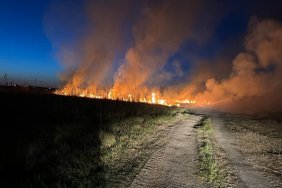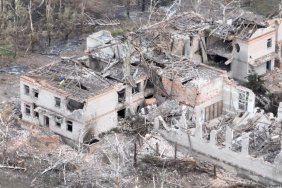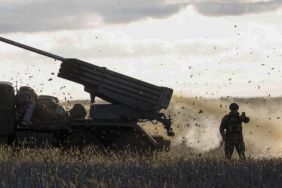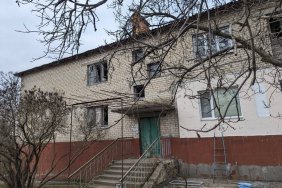


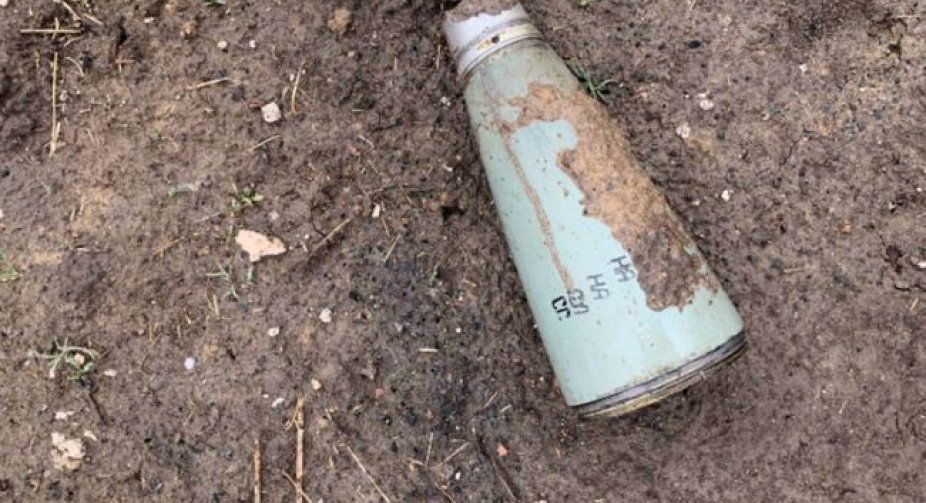

On the night of April 12, the Russian occupants shelled the village of Novoyakovlevka in Zaporizhzhia region with phosphorus bombs. As a result, houses were destroyed.
This is reported by the website of the Komisheva territorial community.
"Russian occupants continue committing war crimes by shelling houses in peaceful settlements, including with banned munitions. On the night of April 12, the village of Novoyakovlevka was shelled with phosphorus bombs. Thanks to the rainy weather, there was no fire, no injuries or fatalities. There are damaged houses," the report says.
Phosphorus bombs are ammunition filled with white phosphorus. White phosphorus is a flammable waxy substance from colorless to yellow translucent with a pungent garlic smell. It is readily combustible on contact with oxygen. Its combustion temperature is approximately 800 °C.
When in contact with human skin, white phosphorus causes severe chemical burns. Lethal dose is 0.05-0.15 g. White phosphorus can cause bone and bone marrow damage and tissue necrosis. In addition, a person receives not just burns, but deep wounds.
The use of phosphorus bombs is prohibited by the Geneva Convention for the Protection of War Victims (1977 Protocol) and the Convention on Certain Conventional Weapons.