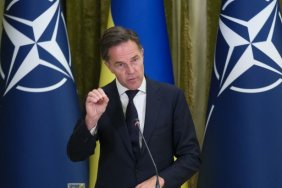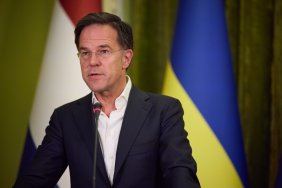


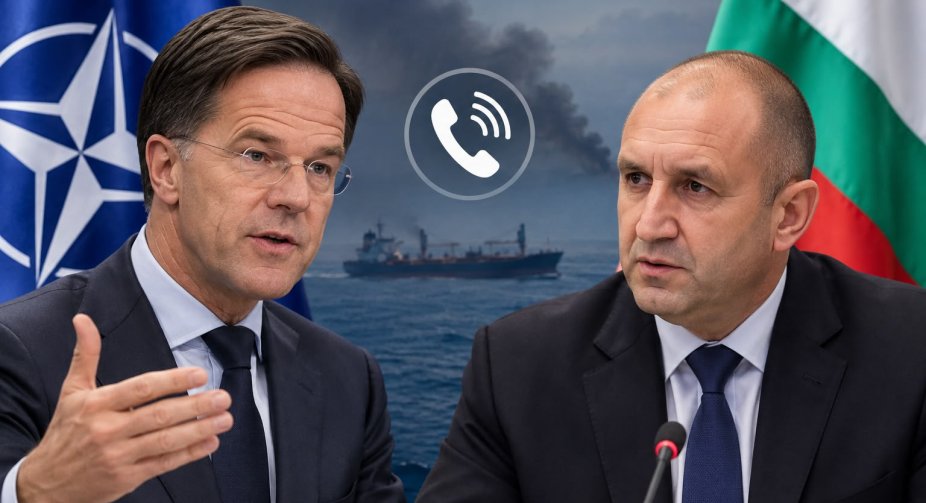

NATO Secretary General Mark Rutte has discussed the latest drone attacks on commercial vessels in the Black Sea with Bulgarian Prime Minister Rumen Radev, pledging continued cooperation with regional allies and adjustments to the alliance’s deterrence and defence posture as necessary.
Rutte made the announcement in a post on social media platform X on Tuesday, October 13, following reports of attacks on two commercial vessels near Bulgaria’s territorial waters.
“I spoke with Bulgarian PM Rumen Radev about the latest attacks on commercial shipping in the Black Sea. NATO will continue to work closely with our Allies in the Black Sea,” Rutte wrote.
The NATO chief said the alliance had already reinforced its military posture along its eastern flank and would continue assessing regional security developments.
“We have already strengthened our posture along the eastern flank and will continue to monitor the security environment, adjusting our deterrence and defence posture as needed,” he added.
Rutte’s statement came after Bulgaria reported drone attacks on two commercial vessels operating near its Black Sea coast, one of which sank.
Earlier, Prime Minister Radev said the Chelsea 3, a Maltese-flagged vessel registered in the Ukrainian port city of Odesa and owned by a Ukrainian company, had been struck by three aerial drones approximately 18 nautical miles east of the Bulgarian coastal town of Byala.
All 15 crew members seven Ukrainian and eight Azerbaijani nationals were safely evacuated to the port of Varna. Five were receiving medical assistance.
Bulgarian authorities also reported a separate attack on another vessel approximately 17 nautical miles east of Krapets, near the country’s northeastern Black Sea coast.
The second vessel sank following the strike, with one crew member rescued, according to information presented at an emergency meeting of Bulgaria’s Security Council.
Radev condemned the attacks as “absolutely unacceptable” and announced plans to summon the Russian ambassador.
The Bulgarian prime minister acknowledged that there was no clear or conclusive evidence identifying those responsible for the attacks but suggested that the outcome benefited Russia.
“We do not have clear and conclusive evidence to attribute responsibility to either side. However, as I have already stated, the logic suggests that the outcome benefits the Russian Federation,” Radev said.
Bulgaria has sought assistance from NATO and the European Union in investigating the incidents, determining the origin of the drones and strengthening surveillance of its airspace and maritime areas.
The attacks have raised fresh security concerns over commercial shipping in the Black Sea, a strategically important maritime corridor where navigation has faced significant risks since Russia launched its full-scale invasion of Ukraine in February 2022.