

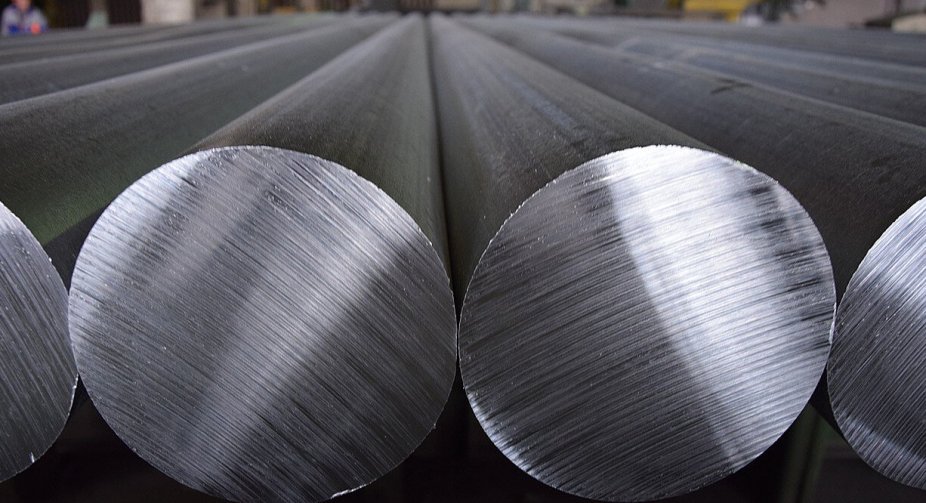

The European Union intends to impose an embargo on Russian aluminum as part of the 13th package of sanctions. It is to be agreed upon by the second anniversary of the full-scale Russian invasion on February 24, Politico reports.
Since the aluminum smelting process requires a huge amount of electricity, sanctions against aluminum will simultaneously become sanctions against the energy sector.
According to one of the diplomats with whom the publication spoke, the EU plans to consider an embargo on a number of other products, but negotiations on this issue are at an early stage.
The biggest problem is that the EU no longer sees any big targets for sanctions. Nuclear power or liquefied natural gas (LNG) remain off limits due to the position of various EU countries. Rosatom is building two new reactors for Hungary, so it does not allow sanctions to be imposed on the Russian nuclear sector, and Russian LNG is imported by many countries, especially Spain.
Against this background, the European Union has focused its attention not on Russian exports but on Russian imports.
The EU countries want to create additional obstacles to Russia's acquisition of components that it cannot produce on its own and that it needs for high-tech weapons, such as guided missiles.
But even here, the results are mixed. According to Lithuanian Foreign Minister Gabrielius Landsbergis, the fight against sanctions circumvention remains a headache for the EU.
"The difficulty is that some of these components do not fall under sanctions because they can be in something that, at first glance, looks quite innocent. We call it spare parts for refrigerators. And the Russians disassemble it and then use it," he explained.