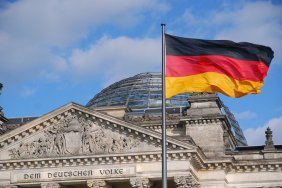



For years, Germany has been the voice and muscle of the EU. However, the country's position during Russia's invasion of Ukraine - undermined its credibility.
Politico writes about it.
At the same time, the country's leadership was affected:
Last year's resignation of Chancellor Angela Merkel;
the formation of a three-party governing coalition in Berlin;
a series of political mistakes and statements regarding Russia and the occupying country's war against Ukraine.
The result was that Berlin partly lost influence, and a large number of countries decided to "go their own way. Some, however, began to openly challenge the Franco-German alliance.
"We don't need Germany's protection. History has proven that she is on the wrong side of history," said one Eastern European diplomat, commenting on Germany's soft policy toward Russia.
Another European diplomat noted Poland's achievements. According to him, the country has demonstrated leadership in confronting Russia, accepting Ukrainian refugees and refusing to give up gas. Meanwhile, the Baltic states have sensible leadership, Bulgaria has a government that is more credible, and Romania is stable.
However, the collapse of Germany's credibility was demonstrated just this week as EU countries tried to reach an agreement on the Russian oil embargo and overcome the resistance of Hungarian Prime Minister Viktor Orban. Berlin was accused of trying to gain an advantage in excluding oil supplied by pipelines from the embargo.
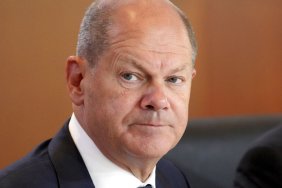
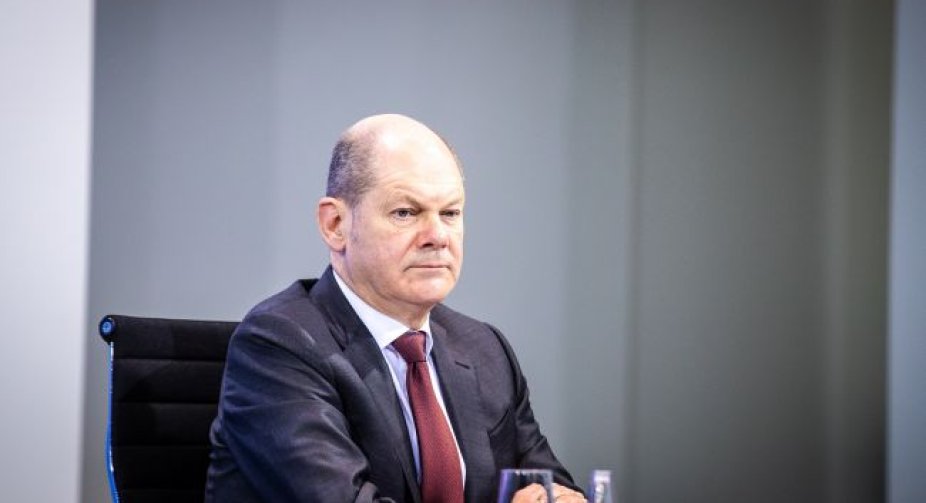
"Scholz is the real problem. He's just acting like a mercurial German instead of compromising, which Merkel was. No one will replace Merkel," one EU diplomat said.
For his part, a German official said that the countries' criticism shows that Germany is allegedly taking the lead in finding the compromises at the EU level that are needed in these difficult times.