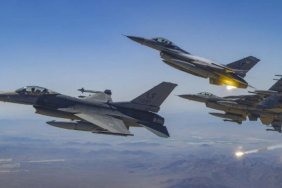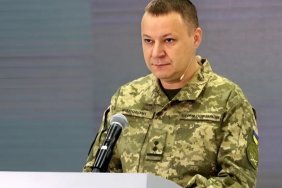


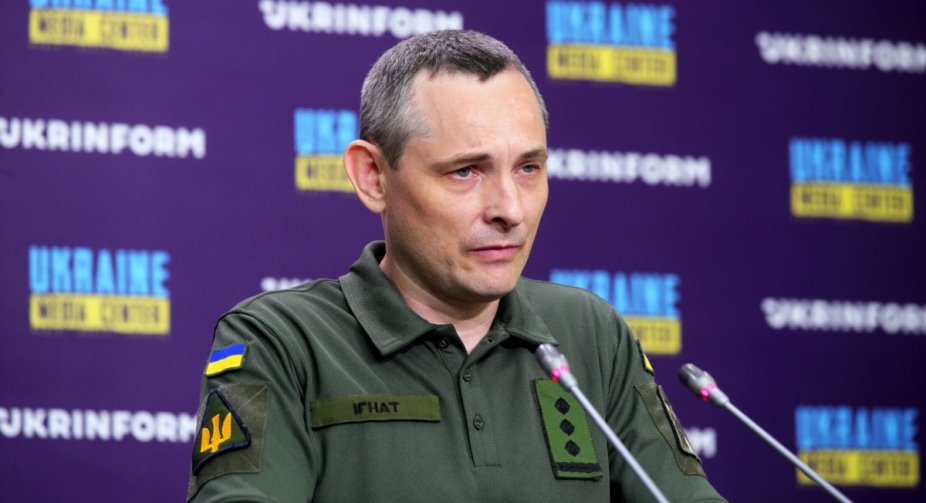

Russian troops are practicing refueling their aircraft in the air, which is why air alerts have started lasting 2.5-3 hours. This was announced by the spokesman for the Air Force of the Armed Forces of Ukraine, Yuriy Ihnat, during a telethon.
Earlier, Russian MiG fighters were practicing takeoffs and landings, primarily training flights. There were also hour and a half alerts, which is the time it takes for a MiG-31 runs out of fuel (i.e., fly until it uses up all the fuel) and return to base.
"For about six months or more, we have been seeing alarms of one and a half hours. Now the enemy has resorted to other tasks. They are practicing aerial refueling. The time spent by MiGs is doubling. Now the alarms last more than 2.5 hours," said Ihnat.
He added that the MiG-31 has various modifications. For example, the MiG-31BM cannot carry Kinzhal missiles. Such aircraft are located in Crimea, in particular in Belbek, and Russians use them for other means of air attack.
And, for example, the MiG-31K definitely poses a threat: "Especially when there is information that there is a Kinzhal on board. How much time? If 1.5 hours is the normal fuel runtime, then with refueling, another hour and a half can be added."