


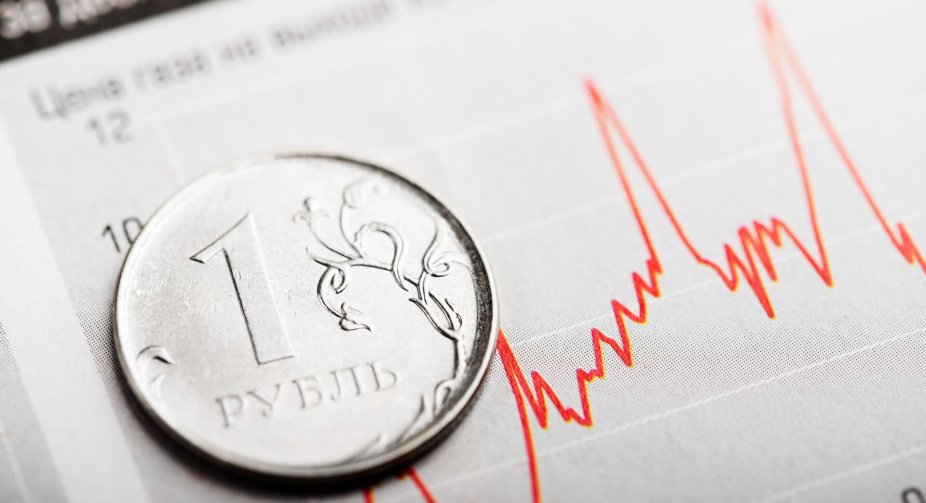

According to Kateryna Pravilova, a researcher at Princeton University, Russians have long been interested in the value of the ruble against Western currencies, considering it as an indicator of international reputation.
"It was a barometer of not only Russian prosperity, but also an indicator of the extent to which Russia is a European country. It was a matter of prestige and dignity," she claims. Throughout Russia's history, conflicts and a weak ruble have often been intertwined. This was relevant in the days of Catherine the Great and during the First World War.
During the Cold War era, Soviet propaganda often presented the ruble as strong and its competitors as weaker. Reducing the value of the ruble is a double-edged sword. On the one hand, it benefits the Russian government, as exporters' revenues, calculated in dollars, yuan, or euros, become larger after conversion to rubles. This leads to an increase in tax revenues. However, it also makes imports more expensive, which contributes to inflation. The depreciation of the ruble also reduces the attractiveness of the market for migrants. This is especially acute in the context of a shortage of personnel, according to The Wall Street Journal.