

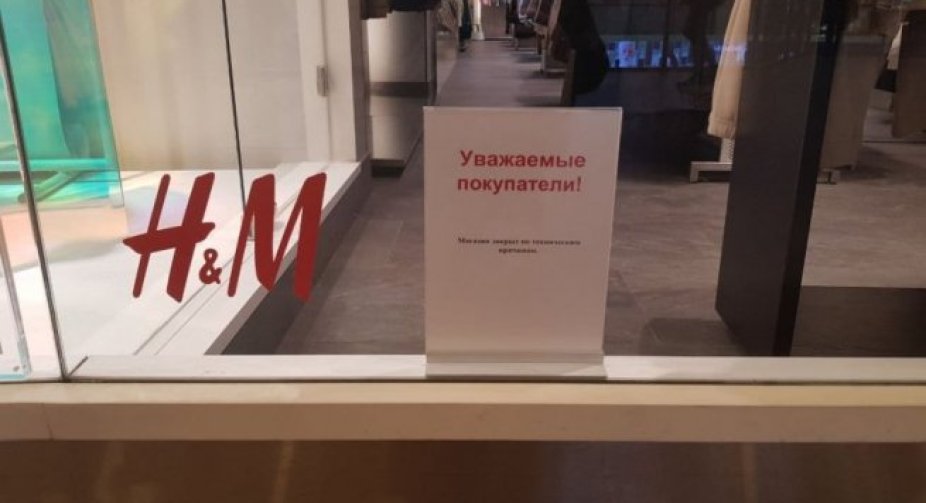

EU countries are preparing to help their companies exit Russia amid increasing risks of being taxed to finance the war against Ukraine.
This is stated in the proposals for the 11th package of sanctions against Russia, which were reviewed by EUobserver.
The proposals include new special permits for financial transactions and legal services designed to help European companies exit Russia.
EU countries, in particular, want to allow financial transfers to blacklisted Russians "after it is determined that such funds or economic resources are necessary to complete transactions, including sales, that are strictly necessary for the liquidation by August 31, 2023 of a joint venture or similar of a legal entity created in Russia with the participation of this natural person or a legal entity that belonged to this natural person until February 28, 2022.
The EU has previously banned European law firms from providing commercial services to Russian clients.
But the proposal for the 11th round of sanctions aims to loosen this ban as well, to help disentangle the related common interests of the EU and Russia within Europe.
"The competent authorities of the Member States may allow until December 31, 2023 the provision of legal services that are mandatory for the completion of such alienations, such as notarial services," the sentence reads.
According to data from Yale University in the USA, which were last updated on May 16, more than 1,000 foreign firms have already left Russia over the past year.
But dozens of large companies from the EU are still present on the Russian market.
Among them are the largest European banks (Deutsche Bank, ING Bank, Raiffeisen Bank International, UniCredit) and energy companies (Engie, OMV and Total).
Also, famous fashion brands such as Armani, Benetton, Diesel and Lacoste did not leave Russia.
The Austrian energy drink manufacturer Red Bull, the Danish medical equipment manufacturer Coloplast, the Dutch consumer goods firm Phillips and the beverage manufacturer Heineken, the Estonian taxi company Bolt, the French hotel chain Accor and the cosmetics manufacturer Clarins, as well as the German car company, still operate in Russia.
Meanwhile, Russia does not facilitate the departure of European companies.
Strategic firms such as banks and energy companies must now obtain approval from the Russian finance ministry's foreign investment commission to sell Russian assets.
But it issues no more than 10 permits per month, despite the fact that there are more than 700 applicants in the queue for a permit.
In March, Russia further complicated the situation by declaring that foreign firms must pay a 10% tax on assets sold if they leave the country.
The European Union's latest draft of new sanctions over Russia's all-out war in Ukraine has reportedly proposed a relaxed mechanism for restrictions on third countries that help Moscow import banned goods.