

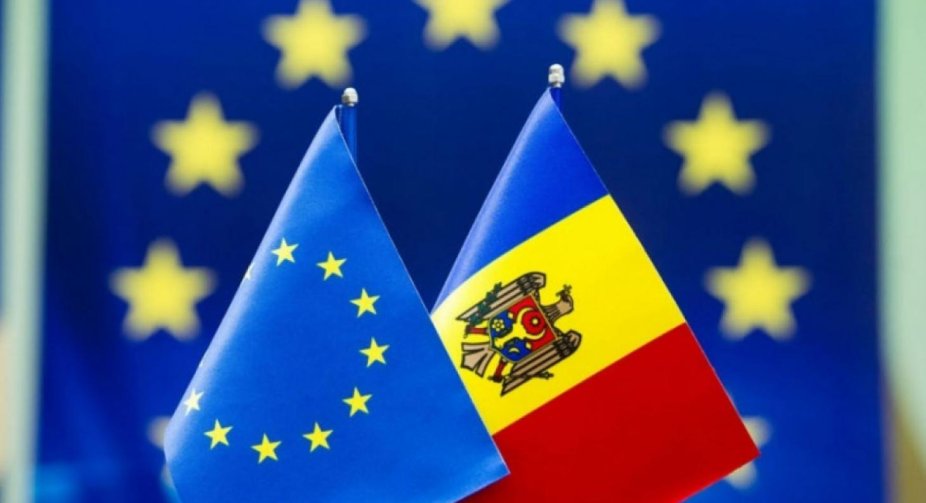

The Council of the EU took assistance measures within the framework of the European Peace Fund to support the Armed Forces of the Republic of Moldova and the Defense Forces of Georgia with the aim of strengthening national security, stability and resilience in the defense sector of both countries.
This is stated in the message of the Council of the EU.
The EUR 40 million aid measure to Moldova, which is expected to last for 36 months, will finance non-lethal equipment, materials and services for units of its Armed Forces, including technical training, on request, as needed. Approved equipment includes air surveillance, mobility and transportation, logistics, command and control, and cyber defense equipment.
The €30 million grant to Georgia is also scheduled for 36 months and provides funding for non-lethal equipment, supplies and services for units of the Georgian Defense Forces, including technical training upon request. Approved equipment includes engineering, command and staff, medical, logistics and cyber defense equipment.
"Thanks to this new assistance, we continue to support the modernization of the capabilities of the Armed Forces of the Republic of Moldova and the Defense Forces of Georgia. In a complex geopolitical context and in line with their European aspirations, we help strengthen their defense sectors and strengthen their ability to participate in EU military missions and operations," he said the head of European diplomacy, Josep Borrell.
According to him, this is already the third aid package to both countries within the framework of the European Peace Fund.
It is noted that the latest aid measures will contribute to increasing the operational efficiency of the armies of Moldova and Georgia, as well as speeding up their compliance with EU standards and operational interoperability.