


France and Poland clashed on Wednesday when EU ambassadors failed to resolve a dispute over joint EU contracts to purchase ammunition for Ukraine.
Politico learned about this from three diplomats familiar with the situation.
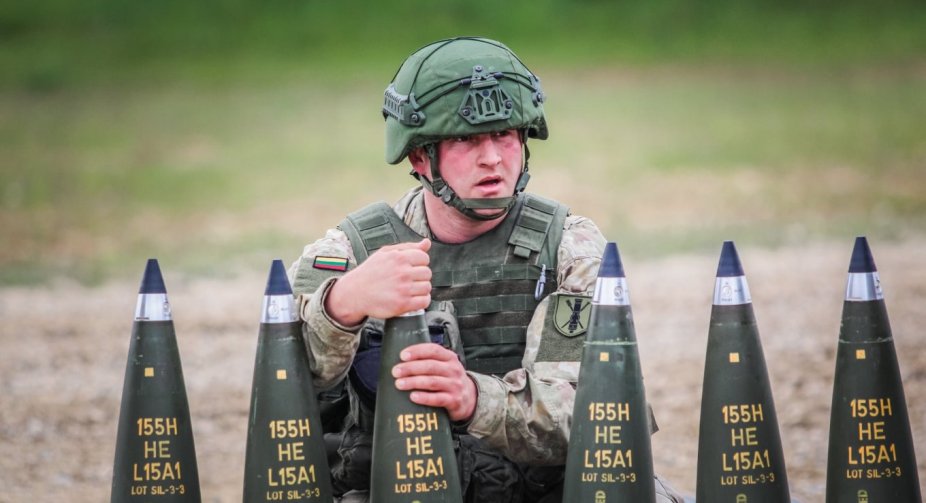
EU ambassadors have been trying to break an impasse over how to implement a plan to jointly buy ammunition for Ukraine in its fight against Russia. Although EU leaders approved the overall scheme and even allocated 2 billion euros to fund it, EU countries have since been at odds over how to spend the 1 billion euros reserved for joint contracts.
The main point of contention is to what extent these contracts should be limited to EU manufacturers and whether companies from countries such as the US and UK should be included in the program.
France advocates that the funds remain within the European Union, which annoys some of its colleagues from the EU.
According to three diplomats, at a meeting of the representatives of the European Union on Wednesday, the French ambassador to the EU accused his Polish colleague of accusing Paris in the press of hindering the achievement of a final agreement.
The French official, according to diplomats, emphasized that Paris is simply pragmatic and noted that the EU countries have already agreed to spend 1 billion euros in compensation for the ammunition transferred to Ukraine.
A Polish official objected, saying that France was only making the negotiations more difficult.
In the end, Sweden, which presides over the EU Council, intervened in the case, trying to find a compromise. Swedish officials proposed an updated text of the agreement that tried to satisfy both sides.
The compromise document limited future contracts to "economic operators established in the EU and Norway", but included a line that the directive should not set a precedent.
Some diplomats believed that the new text was too favorable to the French position. Others complained that it raises new questions about which companies or subcontractors should be involved in the contracts.
Late on Wednesday, EU officials admitted that they had been unable to reach any agreement that day.
Negotiations are likely to continue next week. This means that EU foreign ministers will not have an agreed deal to discuss at the meeting in Luxembourg.
The joint ammunition procurement plan is part of a three-step process that EU leaders approved last month, hoping to quickly get much-needed ammunition to Ukraine.
According to one of the diplomats, one of the key problems for EU officials remains the constant concern that the European defense industry may not be able to cope with the task of supplying 1 million shells to Ukraine in 12 months.