


Currently, Iran's capabilities are such that it can produce the material needed to create an atomic bomb in 12 days, said Colin Kahl, the deputy head of the US Department of Defense for political affairs.
"In 2018, it would take Iran about 12 months to produce one bomb from its stockpile of fissile material. Now it would take 12 days," Kahl told the House Armed Services Committee.
"Since we left the JCPOA, Iran has made striking progress in the nuclear sphere," he emphasized.
Kahl added that returning to the nuclear deal is still the "best option of all," but noted that the JCPOA issue is on hold for now.
"Last summer we presented proposals for arrangements that Iran had no intention of accepting. I don't think we are on the verge of returning to the JCPOA," he said.
Earlier, Bloomberg, citing IAEA data, reported that Iran's stockpile of uranium enriched to the level of 60% has increased by 40% since November last year. In particular, reserves of uranium enriched to 60% increased from 62.3 kg to 87.5 kg.
According to the IAEA report received by a number of media outlets, Iran also confirmed that samples taken on January 22 at the Fordow nuclear facility contained particles enriched to 83.7%. At the same time, Tehran explained that this is related to "inadvertent fluctuations in the level of enrichment."
The international organization, for its part, noted that it is continuing the investigation to establish the reason for the detection of such particles.
In addition, a number of Western media reported that as of February 12, Iran's stockpile of highly enriched uranium reached 3,760.8 kg, more than 18 times the level agreed upon under the Iran nuclear deal.
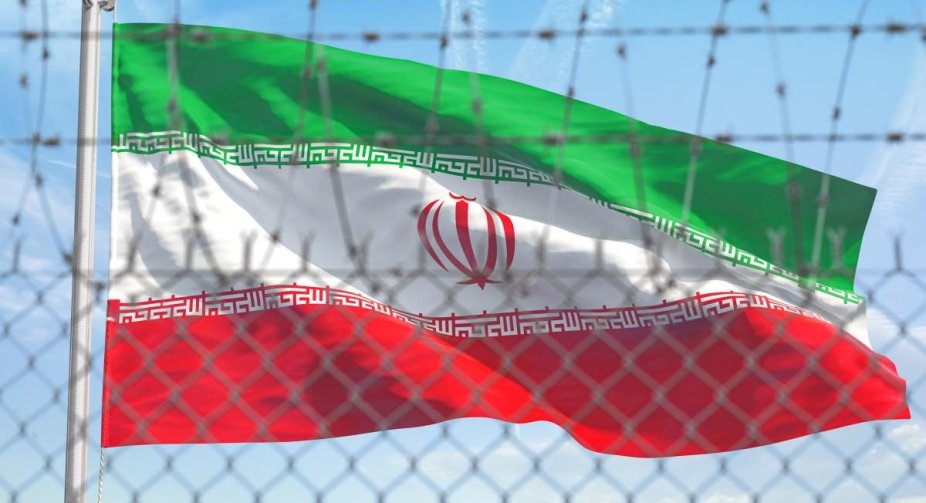
In 2015, the "six" international mediators (Great Britain, Germany, China, Russia, the USA, France) and Iran concluded the JCPOA, which provided for the lifting of sanctions on Iran in exchange for restrictions on Tehran's nuclear program. In May 2018, US President Donald Trump initiated withdrawal from the JCPOA and reinstated unilateral sanctions against Iran. In response, Tehran began to gradually reduce its obligations to limit the nuclear program within the framework of the agreement.
Current US President Joe Biden has declared his readiness to return to the nuclear agreement under certain conditions.
Several rounds of indirect negotiations between Iran and the US on the terms of JCPOA renewal took place in Vienna, mediated by Great Britain, Germany, China, France, Russia and the EU. However, the negotiations soon took a break, which has dragged on until now.