

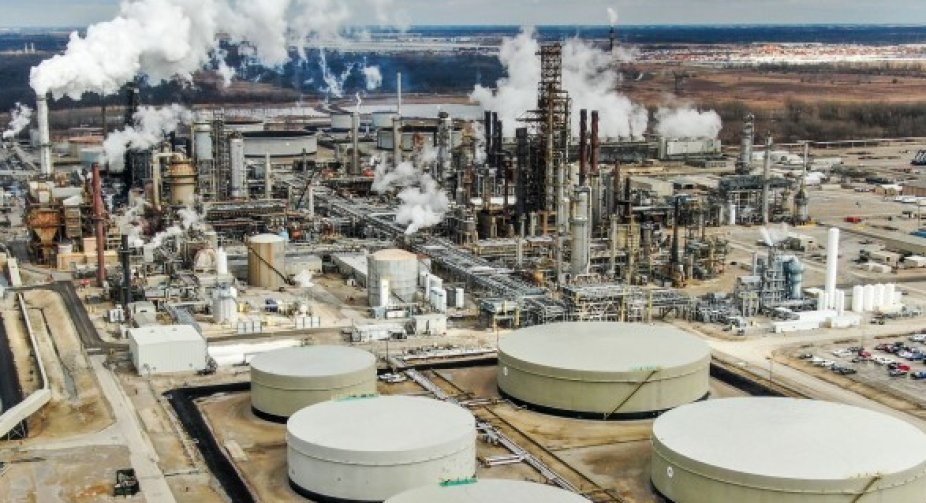

The European Union plans to gradually impose an embargo on Russian oil, but the decision is expected only after the second round of presidential elections in France. After all, there are concerns that it may affect the results of the elections in the country, writes The New York Times.
The EU has long resisted calls to reduce its energy dependence on Russia, but on Thursday, officials said an oil embargo is in development and is likely to be adopted in the coming weeks, the newspaper said.
According to the publication, EU officials and European diplomats say the bloc is moving toward a ban on oil imports from Russia - "a ban that will be phased in over several months to allow countries to arrange alternative supplies."
"They said that European leaders will not make a final decision until April 24, when the second round of presidential elections will be held in France; an increase in fuel prices could damage the prospects of President Emmanuel Macron and promote his right-wing opponent Marine Le Pen, who praises Putin," writes the publication.
At the same time, the newspaper notes that the German government, "the most influential country in the EU," is particularly reluctant to give up Russian fuel, which would be expensive for it and could lead to shortages. But pressure from allies and increasing evidence of Russian atrocities in Ukraine are overcoming this resistance step by step.
Earlier, the EU announced a ban on Russian coal imports. Together with the oil embargo, the NYT notes, these steps will inevitably lead to higher fuel and electricity prices in Europe, and this could undermine the economy and provoke a political backlash.