

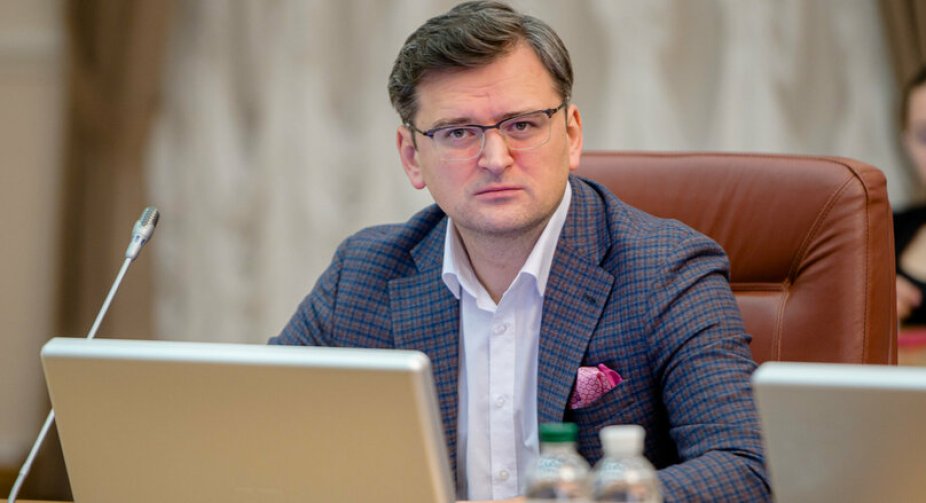

Ukraine and NATO allies must coordinate closely and take any measures that can help contain Russia and prevent the worst scenarios. Ukrainian Foreign Minister Dmytro Kuleba said this amid Russia's military build-up near Ukraine's borders, Interfax-Ukraine reported.
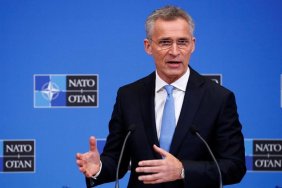
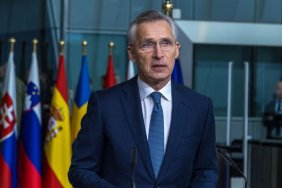
"Even more importantly, we all - Ukraine and allies - must coordinate closely and take any measures that can help contain Russia and prevent the worst scenarios. Because whatever the cost of these containment measures, the cost of stopping the 'hot phase' of the conflict will be much higher," Kuleba said at a news conference following talks with NATO Secretary General Jens Stoltenberg in Brussels on Monday.
The minister drew attention to the need to be prepared for all scenarios, all options, and to strengthen Ukraine's resilience against those scenarios.
"It is premature to say what exactly the Russian scenario will be: whether the military build-up is the main plan that will be accompanied by efforts to destabilize Ukraine from within or whether the military build-up will serve as a background force, a background argument for the destabilizing efforts that Russia is undertaking inside the country," Kuleba explained.
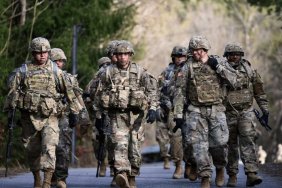
Ukraine's foreign minister pointed out that Russia is demonstrating that it can quickly activate the troops and equipment already accumulated near Ukraine's borders, and that all options, including military, are being considered by the Russian leadership.
"According to Ukraine, what we currently see along the border is not exclusively a military buildup, because Russia already pulled a military armada to our borders in the spring and has never withdrawn it since then. What we see now is a deteriorating situation in which Russia demonstrates that it can quickly activate the already accumulated troops and equipment, and that all options, including military, are being considered by the Russian leadership," he pointed out.
Kuleba noted that Ukraine in this situation expects three things from NATO.
"The first. A clear and strong signal to everyone - Russia, the people of Ukraine, partners in the EU, allies - from NATO, demotivating Russia from further aggressive actions and motivating Ukrainians to remain steadfast and strong," he said.
In addition, the minister recalled that in the spring he passed 10 specific proposals on how NATO can support Ukraine.
"Progress has been made on a number of these 10 points, and today I will ask to accelerate this work and act accordingly. These are items related to specific areas of cooperation between Ukraine and NATO," Kuleba explained.
Kuleba also pointed to the need to remember the very tense and dangerous situation in the Black Sea region.
"Calling on allies in the Black Sea to cooperate more closely with Ukraine and Georgia, also with Moldova, on security in the Black Sea region and joining efforts in the Black Sea between NATO members and non-members is something that would be very timely and useful," he reported.
Kuleba stressed that Russia continues to fuel the conflict in eastern Ukraine by supplying weapons and troops, financing the occupation administration, and issuing Russian passports to the local population.
"Russia's military maneuvers, the energy crisis in Europe, the dramatic use of migrants as weapons on the Polish and Lithuanian borders with Belarus and massive disinformation should be seen as one set of events because they are all elements of Russia's hybrid war with the European and Euro-Atlantic community," the minister said.
He said that Ukraine has always been and remains fully committed to peace, justice and security in Europe.
"We are determined to work with the Alliance to defend these fundamental principles. We appreciate NATO's unwavering solidarity and practical support in these difficult times, and today we discussed with the secretary general how we can strengthen Ukraine's ability to defend itself against Russia and how we can better deter Russian aggressive intentions and actions," Kuleba said.
The foreign minister also thanked Stoltenberg for the allies' decision to invite him and Georgia's foreign minister to attend the NATO foreign ministers' meeting in Riga.
"That in itself is an important signal and a great opportunity for our discussions," he said.