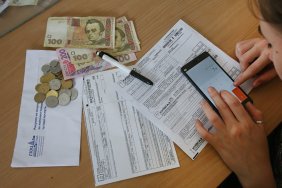



The slowdown in consumer inflation in October was 10.9% (from 11% in September) in annual terms. So, the peak of inflation is behind us, says Korrespondent.
Although there is a decline in inflation, it is still higher than predicted, according to the website of the National Bank. There are significant secondary effects of rising prices of energy resources.
Last month, the rate of price increases for non-food items has increased. The rate is up to 13.2%.
The rise in prices for pasta, bakery and dairy products is due to rising energy prices. And trade restrictions imposed in the Russian Federation entailed an increase in the price of cereals. At the same time, the growth rate of prices for butter slowed down.
The growth of prices for services also accelerated the rate - up to 9.6%. The increased cost of production costs has led to higher prices in catering, customer service facilities: beauty salons, hairdressing salons, cultural and recreational facilities.
The National Bank also notes that fuel prices rose by 33.3% during the year.
"According to estimates of the National Bank, the peak of consumer price growth in 2021 is passed. In the future, inflation will decline," the National Bank says.
The NBU's macro forecast in October expected inflation to be below 10% at the end of 2021 and the target level of 5% at the end of 2022.