

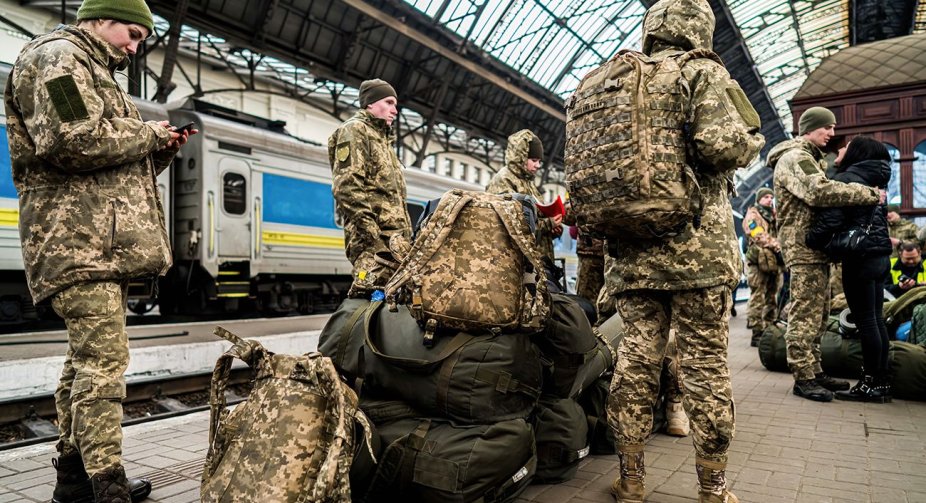

Ukraine needs to mobilize 500,000 people, and the Verkhovna Rada is currently working on a law on mobilization that should regulate the legal framework in anticipation of a new wave. However, the new scheme of economic mobilization is controversial and causes a resonance in society. This is stated in the Financial Times article.
"The most controversial aspect of the changes is the introduction of the so-called economic reservation system for men from areas considered critical to the economy. The system was supposed to be included in the new law, but given the outcry it has caused, it will now be introduced separately, either by a government decree or a new legislative act. Ukraine already has between 550,000 and 700,000 critical workers exempt from mobilization. According to the new system, they will have to pay from their income for reservations," the publication points out.
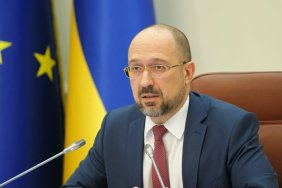
Last week, Prime Minister Denys Shmyhal refused to give journalists details of the economic reservation initiative, but said that "people need to be divided into two categories: those who are fighting and those who work to fill the budget."
"The head of the parliamentary defense committee, Oleksandr Zavitnevych, who oversees the bill, said officials should be careful when commenting on it. Every penny is needed, but it should be part of a broader discussion. There are people who see that this will divide society into rich and poor," the article says.
For his part, Dmytro Natalukha, chairman of the Economic Committee, admitted to the Financial Times that his proposal had received negative feedback, but Ukraine needed to generate funds.
"It may seem stupid, but the economic reservation scheme is not designed to save people from mobilization, but to create as many financial resources as possible so that we can mobilize troops," Natalukha said.