

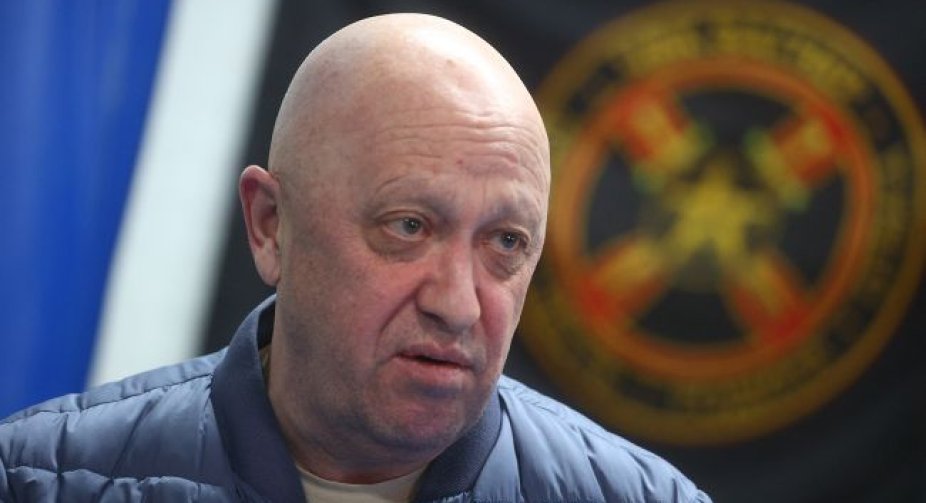

The revolt of the head of the "Wagner" PMC Yevgeny Prigozhin and his mercenaries became the impetus for a change in the attitude of Russians towards the top leadership of the aggressor country.
This was reported by Deputy Minister of Defense Hanna Malyar.
"The so-called "justice march" of the armed formation of Prigozhin's mercenaries became an impetus for changing the attitude of Russian citizens and military personnel towards the highest military and political leadership of the Russian Federation," she wrote.
The deputy minister noted that the confusion and passivity of the senior leadership of the Armed Forces of the Russian Federation during the coup attempt led to the growth of mistrust of the officers, sergeants and privates in the higher ranks of the Ministry of Defense and the General Staff of the Russian Federation.
In addition, individual commands of operational units and units of occupying forces try to avoid staffing subordinate military units with persons from places of deprivation of liberty, despite the need to restore personnel losses.
Malyar explained that this is due to increased risks of desertion, acts of disobedience and possible military rebellions from among ex-convicts.
Prigozhin's Rebellion
On June 24, the leader of the "Wagner" PMC accused the military of the Ministry of Defense of the Russian Federation of having struck the rear camps of his mercenaries and announced a "march of justice." His mercenaries entered Rostov and set out to storm Moscow, but stopped short of reaching 200 km to the capital.
The coup ended after Prigozhin's negotiations with Lukashenka. It was decided to send Prigozhin and some of his mercenaries to Belarus.
A camp is already being built in the country, in which the "Wagnerians" can be accommodated.