



In particular, it is about plans to increase financial assistance.
After three days of talks, G7 finance ministers proposed increased aid to Ukraine, created a new supply chain initiative and pledged to close regulatory gaps in the banking sector, showing unity on global geoeconomic issues. This is reported by Bloomberg.
"We call for an immediate end to Russia's illegal war against Ukraine, which would eliminate one of the biggest uncertainties regarding the global economic outlook," the statement said following the meeting in Japan.
Aid to Ukraine is planned to increase to 44 billion dollars by the beginning of 2024, which will allow the International Monetary Fund to approve the allocation of 15.6 billion dollars over four years.
The ministers also emphasized the need to remain "flexible" in economic policy amid increased uncertainty in the global economy.
"Central banks will ensure stability of inflation expectations and clearly communicate policy positions to help limit negative consequences for other countries," the communique said.
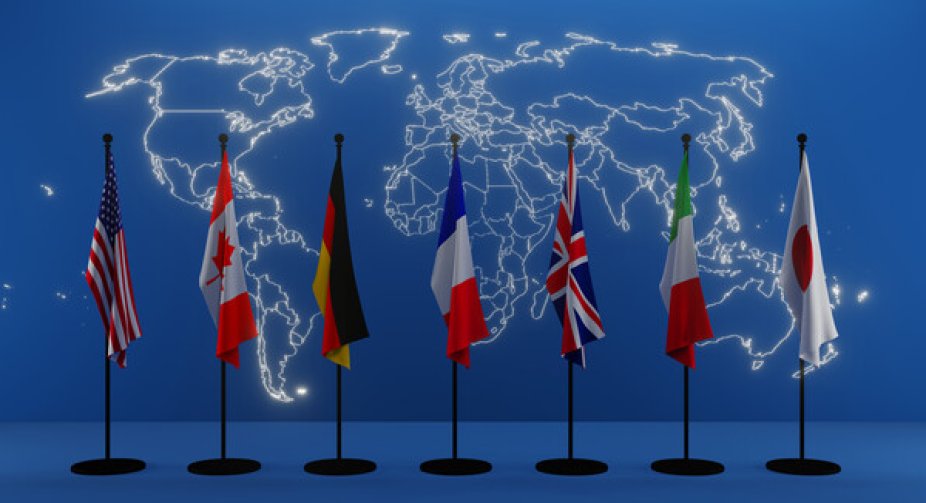
Finance ministers and heads of central banks of the USA, Great Britain, France, Germany, Italy, Canada and Japan agreed on positions on a wide range of issues - from banking sector problems to debt restructuring in a comprehensive communiqué.
The joint statement offered some support for the U.S.'s desire to reduce its supply chain dependence on China, while reaching out to countries in the Global South to show that the group of rich nations can take concrete steps to support them as the G20 grapples with differences.
The talks were attended by representatives of countries with developing economies such as India, Brazil and Indonesia. While it is not unusual for non-G7 countries to participate in ministerial meetings, this is the first time since 2009 that finance chiefs have been invited.
Financial stability
The need to ensure global financial stability has become a leading theme since the collapse of Silicon Valley banks and First Republic Bank. Although the impact on the G7 economies and financial systems has been limited, now is not the time for complacency, German Central Bank Governor Joachim Nagel said.
Financial leaders said they will closely monitor developments in the banking sector and are ready to take appropriate measures to maintain stability. The financial system remains resilient and policymakers will work to address gaps in data, supervision and regulation in the banking sector.
Supply chains
Trade disruptions were also high on the list of issues of concern at the meeting, with indirect reference to China. Finance chiefs proposed a new partnership that would be open to other countries.
The communiqué states that the G7 countries aim to launch a partnership to strengthen the sustainability and inclusiveness of supply chains no later than the end of this year.
This shows the G7's growing concern about China, given its role in supply and production for the global economy. While the US has been pushing for less dependence on Beijing, some European countries have opted for a more "subtle" approach.
EU Economic Commissioner Paolo Gentiloni has warned that breaking away from China poses a risk to global trade.
"We are not talking about closing our trade with China, but about making supply chains more secure in some strategic sectors, such as rare minerals," Gentiloni added.
Global South
To reach a consensus outside the G7, finance ministers tried to bring other countries into the conversation, devoting the meeting to commitments to provide more support to low- and middle-income countries and help them get resources from the IMF.
The communiqué names Zambia, Ethiopia and Ghana as countries that have recently made or are expected to make some progress under the so-called G20 Joint Agenda.
US difficulties in avoiding default cast a shadow over the meeting. Treasury Secretary Janet Yellen recently said the government will be forced to forego some payments if Congress does not raise the national debt limit.