

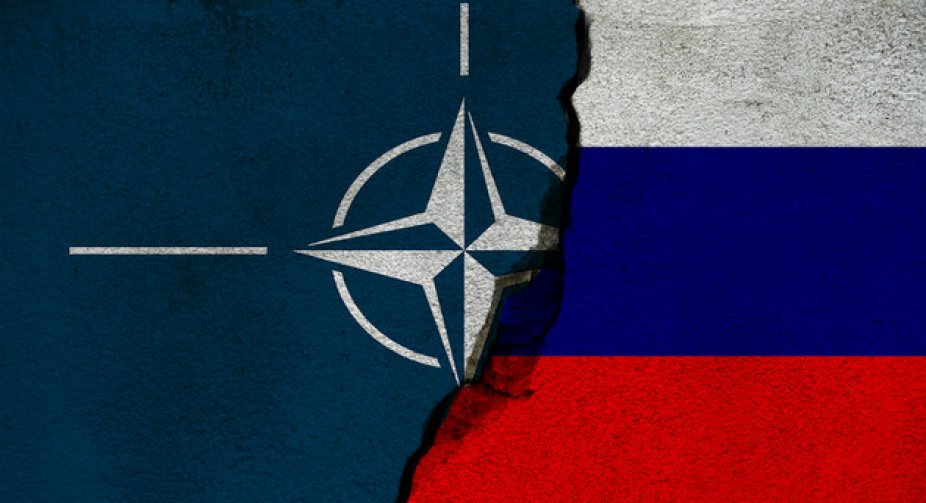

The North Atlantic Alliance is finalizing the reform of the joint strategy to counter the Russian threat and terrorism against the background of the Russian invasion of Ukraine and constant threats to the Kremlin.
This is reported by the Spanish publication El Pais with reference to sources in the Alliance.
The architecture, designed for the new geopolitical reality and accelerated by the Russian invasion, is "the biggest reconfiguration since the Cold War", explained the interviewees of the publication, who participated in the development of the strategy, the first comprehensive and joint in the last three decades.
The strategy already contains about 4,000 pages, which outline the reforms of a number of military procedures. It no longer envisages large military groups, but the deployment of smaller battalions will prevail - but primarily the document analyzes and updates the Kremlin's various threats - military, cyber, hybrid attacks and the Alliance's responses to these scenarios.
Alliance military leaders and strategists are currently reviewing a strategy that integrates national and regional plans. This new plan is expected to be approved at a summit in Vilnius in July.
On Wednesday, a meeting of the NATO Secretary General with the military leaders of the Alliance member states took place in Brussels, where they analyzed the new strategy. "Regional plans (the so-called strategy) will require improvements to NATO's armed forces model to create more combat-ready forces across the Alliance," said Admiral Rob Bauer, chairman of NATO's Military Committee.
NATO is developing updated and geographically linked defense plans that define how the Alliance can act against attacks on its territory and how it will counter two main threats: Russia and terrorist groups. The strategy also contains instructions for the defense of key locations. "For the first time since the Cold War, we will have objective, threat-based targets," Admiral Bauer said.
The alliance already had plans for how to counter threats from Russia almost from its inception. In fact, it was created as an organization in opposition to the USSR. But the new reality outlined by the Kremlin's war in Ukraine and the change in NATO's relationship with Russia forced the Alliance to review, update and strengthen this strategy.
The strategy has different levels: a national, so-called "strategic hat", which covers three large regions (North Atlantic, Central and Southern Europe, from Spain to Turkey) and a detailed analysis of threats and responses in the fields: land, sea, air, space and cyberspace
Threats and scenarios are diverse, according to sources in NATO: from the possibility of Russia deploying thousands of soldiers on the borders of the eastern flank of the Alliance to the vulnerability of the infrastructure of NATO countries, which it put under attack by attacking the Nord Stream gas pipelines. This episode forced the Alliance to increase surveillance of underwater telecommunications cables, gas pipelines and other important elements for the functioning of countries.
The updated strategy involves, for example, abandoning the deployment of large military groups and instead deploying brigades (numbering around 5,000 soldiers) that can move quickly and deploy on the ground.
The new concept has somewhat worried the eastern allies, who border Russia and fear that the plans are too theoretical and need more concrete elements, as well as continuing to strengthen their presence on that flank. This concept, which materialized at the Madrid summit a year ago, identified Moscow as a "threat" and China as a "challenge." The difference, Bauer clarified, is that there are no military plans against China.
To reformulate the strategy of the Alliance, more investments are needed, sources in the organization admit. This Wednesday, Stoltenberg once again emphasized that countries should increase their defense spending. Its aim is to agree on a new commitment, which is currently 2% of GDP "at a minimum". However, even though some countries are increasing their investment, others are slightly above 1%: Spain - 1.09%, Belgium - 1.18%.