


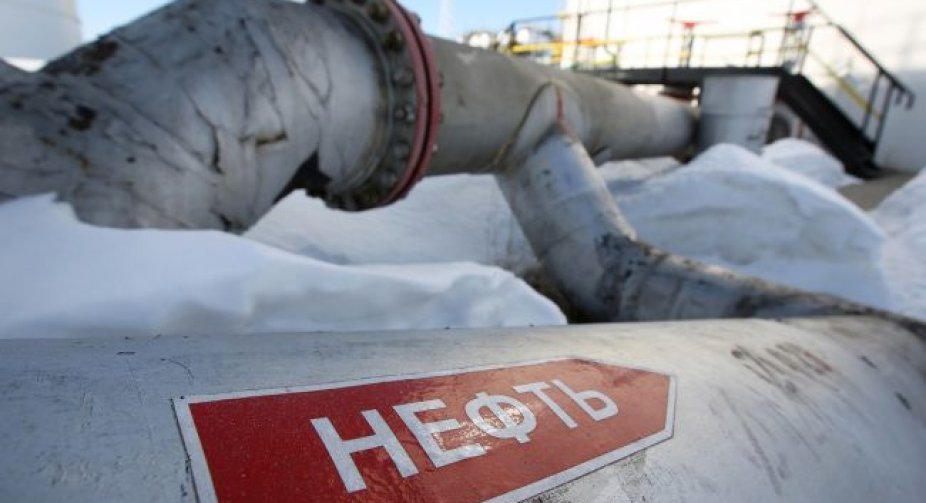

According to the Russian Ministry of Energy, oil production fell by approximately 700,000 barrels per day in March. This is more than the announced reduction plan of 500,000.
This is reported by Bloomberg.
As the agency notes, the figure is inconsistent with data on the country's seaborne exports and supplies to domestic refineries in March, adding to uncertainty about how much oil Russia is actually producing.
The Kremlin has promised to cut crude oil production alone by 500,000 barrels per day between March and December in response to Western embargoes and price caps imposed by the G7. According to the Ministry of Energy, the decrease was 40% more.
Eight members of the Organization of the Petroleum Exporting Countries, including de facto leader Saudi Arabia, have agreed to join voluntary cuts starting in May, bringing the total cut to more than 1.6 million barrels per day in a bid to stabilize the world market.
The surprise decision sent oil prices soaring and set the stage for oil prices to return to $100 a barrel.
According to Deputy Prime Minister Oleksandr Novak, Russia will reduce production only of crude oil, based on the February level of production. According to Bloomberg calculations based on industry data, production this month was 10.1 million barrels per day.
According to the Ministry of Energy, producers pump an average of 1.285 million tons of crude oil per day, the source of the publication said. That's equivalent to just over 9.4 million barrels, which means last month's cut in crude oil alone was nearly 700,000 barrels per day.
Total crude oil and condensate production in the country averaged 1.413 million tons in March, the source said. That's equivalent to 10.36 million barrels per day, compared with 11.1 million barrels in February, according to Bloomberg estimates.
As a result, the total reduction averaged 740,000 barrels per day, the data show.
Last year, Russia classified its oil statistics due to their "sensitive" nature, which makes it difficult to assess the implementation of supply cuts, apart from the assurances of representatives of the energy sector.
As a result, Russia watchers began to monitor the nation's seaborne oil exports and domestic oil refining rates as indicators to gauge crude oil production. However, both indicators showed no visible decline last month.
The country's average crude loadings in the four weeks to March 31 were the highest since June, while Russian refineries kept their capacity roughly flat, according to Bloomberg data based on national industry data and vessel tracking.
As a reminder, the average price of the main Russian oil brand Urals in March 2023 was $47.85 per barrel. This is 1.86 times lower than in March last year.