

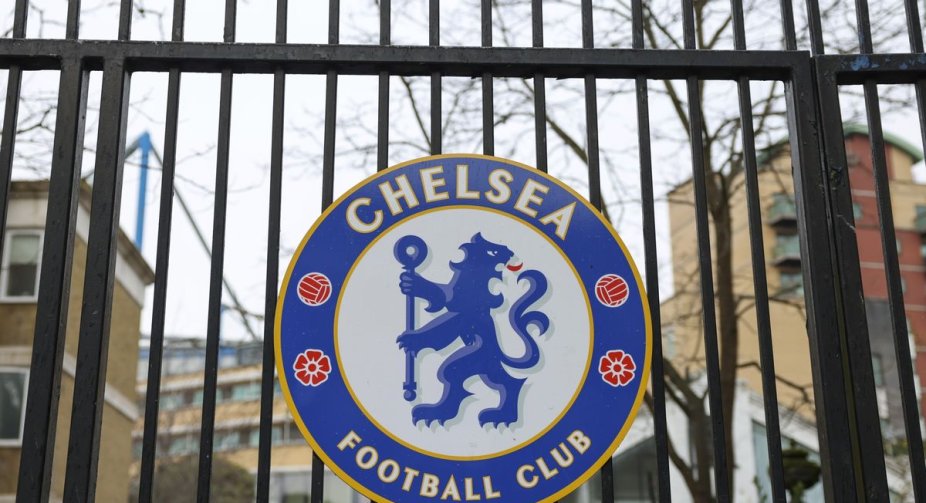

Aid to Ukraine from the sale of the football club "Chelsea" of oligarch Roman Abramovich is delayed due to the delay in the negotiation process - a year after the sale, the funds remain frozen in an account in Britain.
This was reported by Bloomberg in its publication on Friday.
According to the material, the fund, which is being created to help Ukraine at the expense of 2.34 billion pounds ($2.9 billion), received from the sale of the football club, is almost ready to be launched. In addition, in Britain, the candidacy of the chairman of the board of the fund has already been determined. However, the publication claims, approval by the British government is taking longer than expected.
"We are ready to go and just waiting for approval. There are complexities and delays in political approval both between the UK and the EU and within the UK itself," said Mike Penrose, former UNICEF UK executive director who now serves as duties of the chief executive director of the new fund.
According to Penrose, his team has completed all the paperwork required to set up the fund. In particular, she proposed the candidacy of the Secretary General of the Norwegian Refugee Council, Jan Egeland, for the position of the head of the foundation and compiled an international shortlist of candidates for the board.
Penrose also said it has shortlisted investment managers to oversee the money.
Last year, the UK government allocated about £200,000 for legal and administrative costs associated with setting up the charity, as well as hiring experts to develop a plan for the distribution of funds.
According to Penrose, the foundation plans to focus on humanitarian projects that support medical, educational and housing programs for Ukrainians.
Roman Abramovich, a Russian businessman with a fortune of more than $7.5 billion, sold the London football club to a consortium led by American investor Todd Bely in May 2022.
He did so after being sanctioned by Britain and the European Union over his alleged ties to Russian President Vladimir Putin.
Almost a year after the sale, the funds remain frozen in a bank account in Great Britain. The British Foreign Office declined to comment to the newspaper.
In a statement from the British government last May, it was said that the proceeds would be placed in a British bank account and that they would be "used for humanitarian purposes in Ukraine."
The statement also stressed that Britain would work with the European Commission and the government of Portugal, of which Abramovich is a citizen, to enforce the sanctions and determine the destination of the funds.
According to another interlocutor, who spoke on condition of anonymity, the practical side of the donation turned out to be very difficult and several obstacles must be cleared before Ukraine can see the money.