


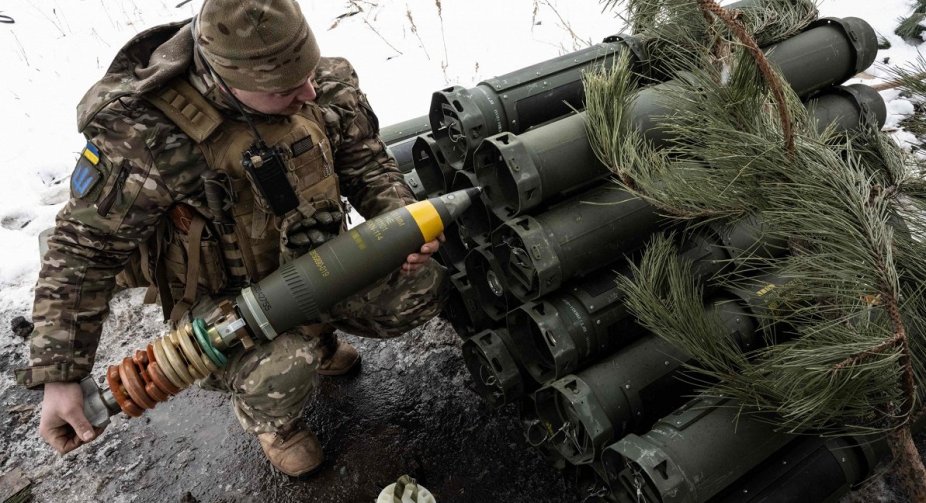

A misunderstanding arose among the representatives of the European Union countries regarding the implementation of the EU plan for the purchase of ammunition for the Armed Forces of Ukraine.
The American publication Politico reported that there was a "split" in the European Union on the issue of procurement of shells for the Ukrainian army. Two weeks ago, the EU announced the provision of appropriate assistance to Kyiv, but state representatives are still working out the legal details of the plan's implementation.
Journalists, referring to the words of several diplomats, write that the ambassadors of the European Union countries did not make progress on one of the key issues in the implementation of the project at the meeting on April 5.
In particular, the issue of whether these contracts will be concluded exclusively with EU companies (and how to legally define them), or whether they will be available to non-bloc producers, remains the subject of dispute among EU ambassadors who gathered for discussions on April 5.
France is pushing for the money to stay in the EU, according to several diplomats. Greece and Cyprus support Paris, which some diplomats say is due to their desire to avoid contracts with Turkish factories.
The EU joint procurement agreement was urgently prepared and approved on March 20 in recent weeks amid fears that Kyiv was running out of ammunition.
Since the ambassadors could not agree on the contracts, they focused on the donation of large shipments of ammunition to Ukraine, which is also one of the points of the agreement. The legal text of the contract should be presented next week.
Earlier, French Defense Minister Sebastien Lecornu said that France would double the supply of 155-mm artillery ammunition to the Armed Forces.