


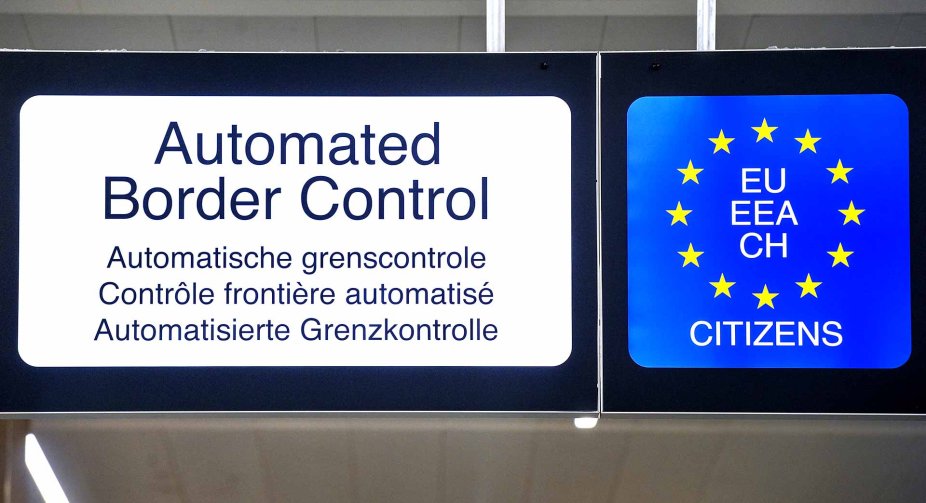

On March 7, the updated Schengen Information System (SIS), which is used to exchange information to ensure security and border management in Europe, became operational.
This was reported by the press service of the European Commission on Tuesday.
"The updated Schengen Information System (SIS) enters into force today. SIS is Europe's largest information exchange system on security and border management issues," the message reads.
This system provides information about wanted or missing persons, third-country nationals who do not have a legal right to be in the EU, and about lost or stolen items - such as cars, firearms, boats and identity documents.
"The updated SIS is the basis of the most modern border management system in the world that we are building. Together with the Entry/Exit System (EES) and the European Travel Information and Authorization System (ETIAS), SIS will be part of the interoperability architecture," the commission added.
The updated SIS is strengthened by the inclusion of new categories of alerts, biometric data such as palm prints, fingerprints and DNA of missing persons, and additional tools to fight crime and terrorism. This modernization is important because it will also enable preventive alerts to protect vulnerable people and deter illegal migration. This modernization aims to provide national authorities with more complete and reliable information to strengthen security and border management in Europe.
The EU Council approved the strengthening of the Schengen information system back in November 2018.
Today, the updated SIS works in 30 European countries (26 EU member states and the associated countries of the Schengen Agreement). The inclusion of Cyprus in the SIS in the summer of 2023 will further expand security cooperation across the EU.
The SIS was created in 1995 after the abolition of controls at the internal borders of the EU. An evaluation of the SIS in 2016 confirmed the success of the system.
The European Commission's Directorate-General for Migration and Home Affairs has delayed until 2024 the launch of the ETIAS system, which requires travelers from visa-free countries to pay a €7 fee every three years to authorize their travel.