


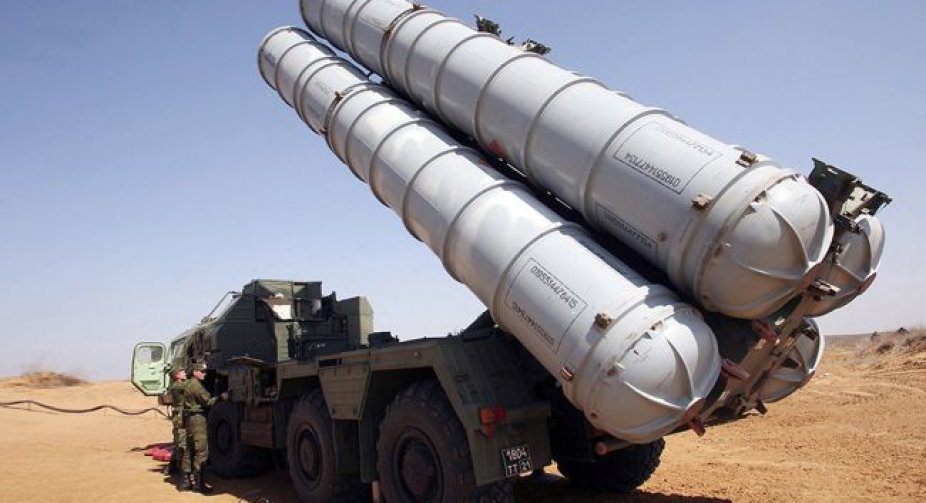

The prospect of Iran receiving Russian S-400 air defense systems could speed up Israel's decision to strike nuclear facilities.
This is reported by Bloomberg.
Russia has not publicly said whether it will supply weapons, but Moscow and Tehran have grown closer since Moscow's invasion of Ukraine. It takes less than two years to deploy the S-400.
"The longer you wait, the more difficult it becomes," Israeli Prime Minister Benjamin Netanyahu said of striking Iran at a security conference in Tel Aviv last week. "We have waited a very long time. I can tell you that I will do everything , which is in my power to prevent Iran from obtaining nuclear weapons."
As Bloomberg points out, such overt threats coming out of Israel every day are a complex mix of intentions and messages aimed at Tehran and Washington, even though Israel bombed nuclear sites in Iraq in 1981 and in Syria in 2007.
Russia has offered Iran "unprecedented defense cooperation, including on missiles, electronics and air defense" and may provide Tehran with fighter jets, National Security Council official John Kirby said last week.
Concerns about Iran's nuclear program have grown since international monitors found uranium enriched to 84% purity - just below the 90% required for weapons. By the end of 2023, Iran will have enough uranium enriched to 60% to make 10 bombs, according to a senior Israeli official and former US official.
Israel remains hopeful that the US will lead any possible strike, and while the Biden administration has not ruled out military action, it prefers diplomacy.
Iran accuses Israel of killing its nuclear scientists, most recently in late 2020, as well as cyberattacks and sabotage at nuclear facilities. Israel does not publicly recognize them, but they are widely recognized as officials in both the US and Israel.
It will be recalled that the International Atomic Energy Agency confirmed the discovery of enriched uranium in Iran, close in concentration to that suitable for the manufacture of weapons.