


British intelligence explained that the onset of winter seriously complicates the conditions for the military in the field and will affect the general intensity of operations in the theater of operations.
This is stated in the review of the Ministry of Defense of Great Britain about the war in Ukraine for November 14.
As noted in it, the change of season will affect the conditions of both the Russian and Ukrainian armies: the period of the shortest daylight and low temperatures is coming.
"Any decisions of the General Staff of the Russian Federation will be partially conditioned by the onset of winter. Daylight is reduced to less than 9 hours per day, compared to 15-16 in the height of summer. This means fewer offensive operations and more static defensive front," the review notes.
The decision, in particular, may be influenced by the availability of night vision devices.
The cold will also be a challenge, and if the military has problems with winter uniforms and winter-adapted living conditions, it will most likely end up with health problems for them. In addition, the cold almost halves the "golden hour" for the successful survival of the seriously wounded.
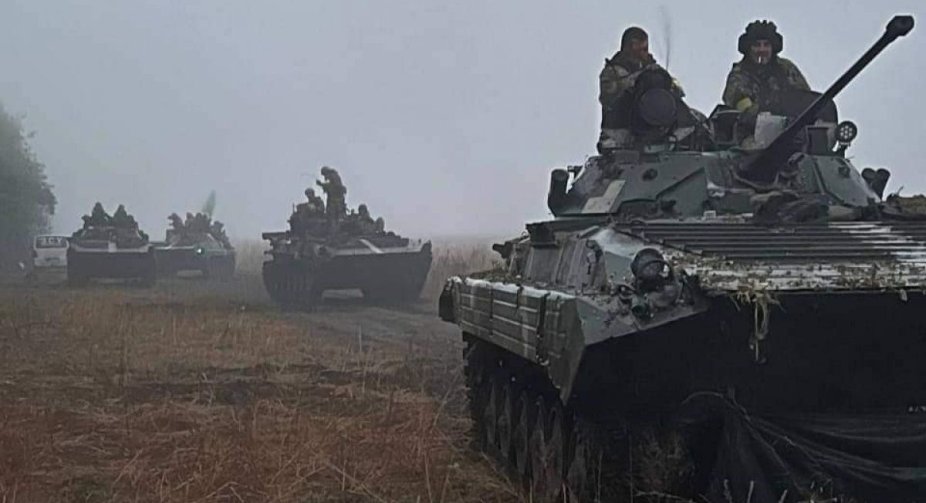
Rain, high winds and blizzards will be an additional challenge for troops in the field, not only to their comfort and morale, but also to their ability to maintain their weapons to keep them running smoothly.
At the same time, analysts of the Institute for the Study of War consider it very unlikely that the cessation or significant reduction of the intensity of hostilities in the winter months is very unlikely.