
Russia more than doubled its diesel exports in October following an easing of US sanctions and a temporary pause in Ukrainian strikes on Russian oil refineries. However, not a single shipment has reached the United States under an agreement announced by President Donald Trump with Russian President Vladimir Putin, the Financial Times reported.
According to data from energy analytics firm Kpler, Russia exported approximately 271,000 barrels of diesel per day in October, up from 135,000 barrels in September. The increase was largely driven by higher shipments to Brazil, Türkiye and other international markets.
The surge followed US pressure on Ukraine to suspend attacks on Russian oil refineries and Trump's October 9 announcement of an agreement with Putin aimed at increasing fuel supplies to American and global markets.
Richard Bronze, head of geopolitics at Energy Aspects, attributed the increase in Russian diesel exports to the recovery of refinery operations during the pause in Ukrainian strikes.
According to Bronze, the temporary suspension of attacks, facilitated by US diplomatic pressure and the so-called energy ceasefire announced by Trump, allowed Russian refineries to restore production and expand exports.
Despite the agreement, the United States has yet to receive any Russian diesel shipments.
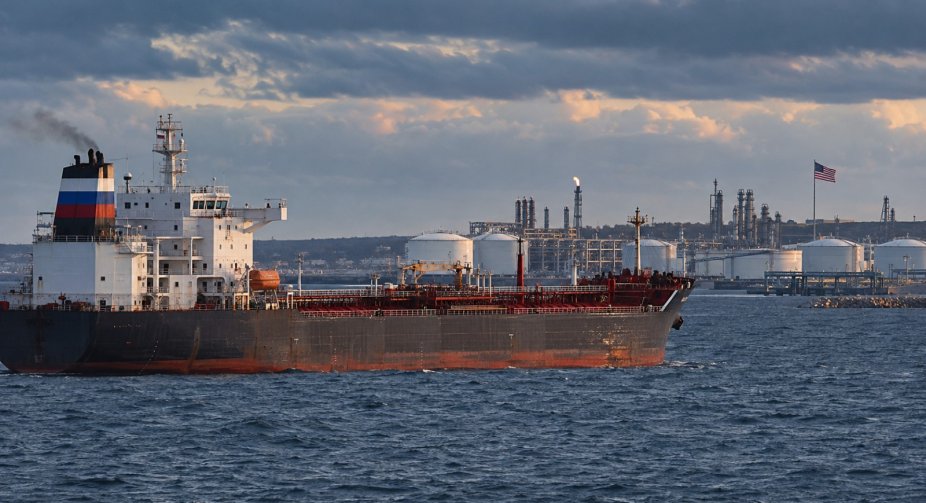
At least two tankers originally bound for US ports have reportedly changed course, while another vessel, the Agioi Fanendes, remains near the US East Coast awaiting a buyer.
The developments highlight a discrepancy between the stated objectives of the US-Russia fuel agreement and its immediate commercial results.
While the easing of restrictions and the interruption of Ukrainian refinery strikes appear to have supported Russia's fuel exports, the anticipated direct deliveries to the American market have yet to materialise.