


Increased inflation in Russia will lead to an increase in the cost of financing the war against Ukraine. This was reported by the Ministry of Defense of Great Britain on Twitter.
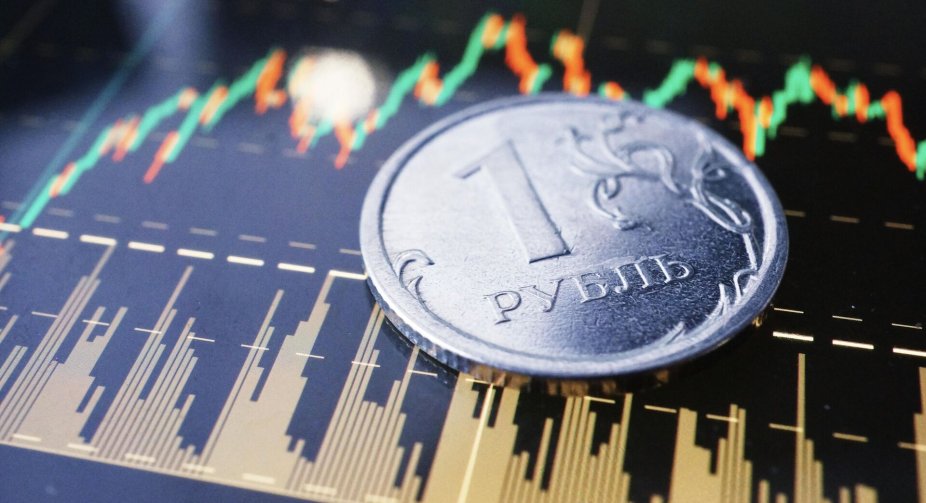
As noted in the report, inflation in Russia rose to 6% in September 2023 compared to 5.3% in August. This was due to rising consumer prices, such as food and fuel.
"Higher inflation will almost certainly lead to an increase in the cost of financing Russia's war in Ukraine," the report said.
Russia's central bank responded by increasing its prime interest rate by 2 percentage points to a new benchmark rate of 15%. This is the highest rate since May 2022. It is likely that the CBR will maintain high interest rates until 2024. This is likely to increase the cost of borrowing for Russian consumers and is also likely to affect the Russian government's debt service costs, according to British intelligence.
Due to rising demand, partly due to a significant increase in military spending, as well as ongoing pressure from a tightening labor market, the Russian economy is likely to be at risk of overheating. This is likely to keep inflation in Russia above the 4% target in 2024, the report says.
"Continued high inflation is likely to lead to a decline in government spending in real terms, especially in areas such as social assistance, where spending is growing below inflation. This once again illustrates the reorientation of the Russian economy primarily to foment war," the British Ministry of Defense said.