


The European Union will try to step up cooperation with countries in Africa to help replace natural gas imports from Russia and reduce dependence on Moscow for nearly two-thirds of this year, Bloomberg reported.
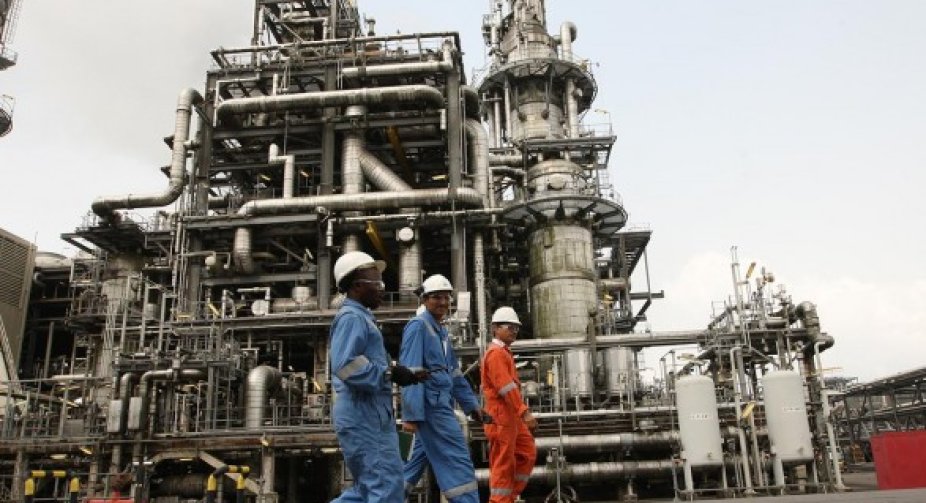
Countries in Africa, particularly in the western part of the continent such as Nigeria, Senegal and Angola, offer largely untapped potential for bonded natural gas, according to a draft EU document seen by Bloomberg. A decision on external energy cooperation is due to be taken by the European Commission later this month as part of a package of measures to implement the bloc's plan to reduce energy dependence on Moscow, the newspaper wrote.
The draft EU energy strategy, as indicated, also aims to prepare the region to import 10 million tons of renewable hydrogen by 2030 to help replace gas from Russia, in line with the EU's ambitious Green Deal to phase out fossil fuels and achieve climate neutrality by mid-century.
The EU's plan to increase LNG imports by 50 billion cubic meters and increase pipeline gas supplies from countries other than russia by 10 billion cubic meters requires building relationships with traditional suppliers on a new basis and expanding trade with new suppliers, it said.
Key steps include full implementation of an agreement with the United States to deliver 15 billion cubic meters of additional LNG in 2022 and about 50 billion cubic meters annually through 2030. Another goal is to sign a trilateral memorandum of understanding with Egypt and Israel to increase LNG supplies to Europe by this summer.
The bloc also plans to support doubling the capacity of the Southern Gas Corridor, which carries gas from Azerbaijan, to 20 billion cubic meters per year. And on top of that, while a working group with Canada must consider increasing gas supplies in the coming years, Japan and South Korea have already diverted a number of LNG cargoes to Europe.
"Qatar is ready to facilitate swaps with Asian countries. On pipeline gas, Norway has already increased its supply to Europe, and both Algeria and Azerbaijan have expressed their willingness to do so," the European Commission said in its draft strategy.
The EU executive also said the bloc should work to ensure "open, flexible, liquid and well-functioning global LNG markets" with both major producers, such as the United States, Australia and Qatar, and consumers, including China, Japan and South Korea.
The bloc of 27 countries wants to give up gas from its biggest supplier after Russian President Vladimir Putin invaded Ukraine.The European Union will try to step up cooperation with countries in Africa to help replace natural gas imports from Russia and reduce dependence on Moscow for nearly two-thirds of this year, Bloomberg reported.
Countries in Africa, particularly in the western part of the continent such as Nigeria, Senegal and Angola, offer largely untapped potential for bonded natural gas, according to a draft EU document seen by Bloomberg. A decision on external energy cooperation is due to be taken by the European Commission later this month as part of a package of measures to implement the bloc's plan to reduce energy dependence on Moscow, the newspaper wrote.
The draft EU energy strategy, as indicated, also aims to prepare the region to import 10 million tons of renewable hydrogen by 2030 to help replace gas from Russia, in line with the EU's ambitious Green Deal to phase out fossil fuels and achieve climate neutrality by mid-century.
The EU's plan to increase LNG imports by 50 billion cubic meters and increase pipeline gas supplies from countries other than russia by 10 billion cubic meters requires building relationships with traditional suppliers on a new basis and expanding trade with new suppliers, the document said.
Key steps include full implementation of an agreement with the United States to deliver 15 billion cubic meters of additional LNG in 2022 and about 50 billion cubic meters annually through 2030. Another goal is to sign a trilateral memorandum of understanding with Egypt and Israel to increase LNG supplies to Europe by this summer.
The bloc also plans to support doubling the capacity of the Southern Gas Corridor, which carries gas from Azerbaijan, to 20 billion cubic meters per year. And on top of that, while a working group with Canada must consider increasing gas supplies in the coming years, Japan and South Korea have already diverted a number of LNG cargoes to Europe.
"Qatar is ready to facilitate swaps with Asian countries. On pipeline gas, Norway has already increased its supply to Europe, and both Algeria and Azerbaijan have expressed their willingness to do so," the European Commission said in its draft strategy.
The EU executive also said the bloc should work to ensure "open, flexible, liquid and well-functioning global LNG markets" with both major producers, such as the United States, Australia and Qatar, and consumers, including China, Japan and South Korea.
The 27-nation bloc wants to give up gas from its largest supplier after Russian President Vladimir Putin invaded Ukraine.