
Russia is presumably preparing to launch a satellite equipped with a nuclear warhead in the coming weeks. In response, NATO has pledged to defend its allies in space as well, AFP reports.
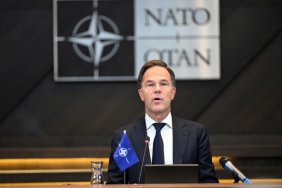
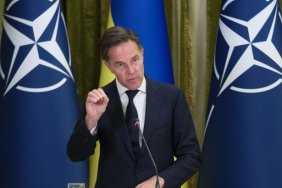
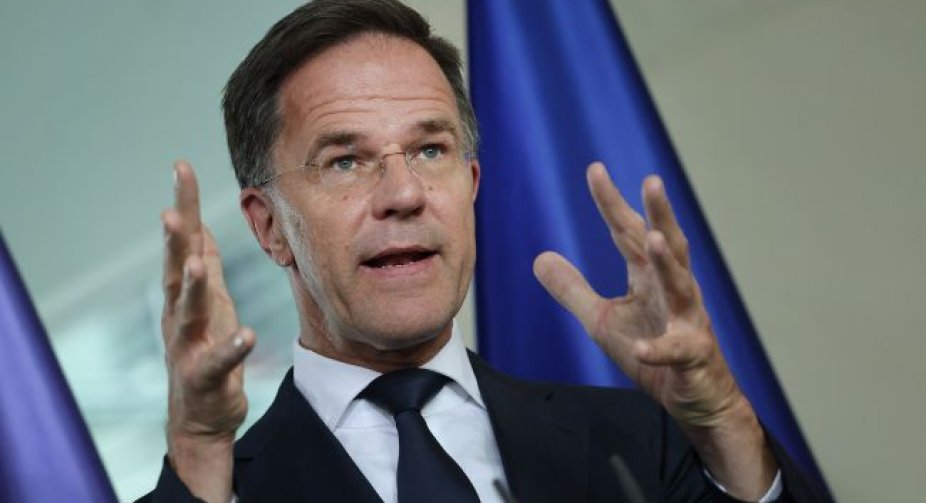
NATO Secretary General Mark Rutte was asked about the reports published by German media during his visit to Berlin.
"We will always make sure that we defend every inch of NATO territory, and that includes our security when it comes to the space element," Rutte stated.
German Chancellor Friedrich Merz neither confirmed nor denied the information reported in the media, though he expressed concern.
"Reports that Russia plans to deploy nuclear weapons in space are not new, but that does not make them any less shocking. They show the level of escalation Russia is prepared to go to," Merz stated.
A spokesperson for the German government also did not confirm the data, noting however that it is being taken "very seriously." At the same time, he urged against creating "excessive nervousness over hypothetical threats."
Moscow's plans were reported by broadcasters WDR and NDR, as well as the newspaper Sueddeutsche Zeitung. Journalists cited anonymous sources within the Bundeswehr and German intelligence (BND). According to their data, Russia intends to launch a satellite equipped with a nuclear warhead named "Sputnik-S," which could happen in the coming weeks.
Intelligence data regarding these plans was recently shared with several NATO countries, and the German government received a corresponding briefing. The device was presumably stored in the Moscow region. It could be used to jam or destroy vital communication and surveillance satellites in Earth's orbit.
The BND declined to comment on the information. The Bundeswehr Space Command pointed to general statements by German Defense Minister Boris Pistorius that threats in space are taken seriously.
Putin's press secretary Dmitry Peskov stated that he had not seen the latest publications on the topic.
According to him, frequent reports citing "unknown sources" are "hardly to be taken seriously."
The head of the European Space Agency, Josef Aschbacher, in a comment to Handelsblatt, called the appearance of nuclear weapons in space the "worst-case nightmare scenario."
Back in the spring, the US announced Russia's plans to place nuclear anti-satellite weapons in orbit. According to estimates, a single nuclear explosion in space could disable up to 10,000 satellites and leave people without GPS, satellite internet, and mobile communications. The development of such a device had been reported earlier as well-US intelligence reported that Russia was working on a satellite capable of carrying nuclear weapons.