


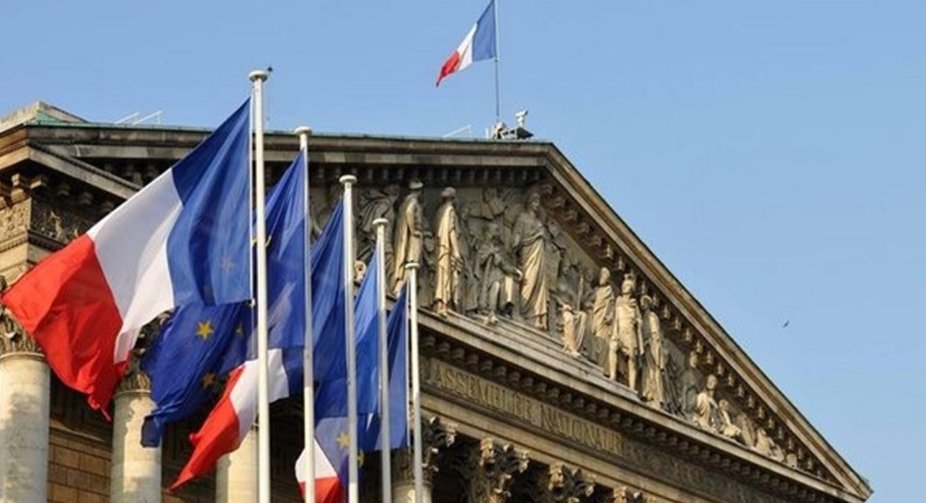

French diplomats are on strike for the second time in history on Thursday in response to a civil service reform that will also affect the Foreign Ministry and is to be implemented by 2023.
This was reported by Euractiv.
In the midst of the April 18 presidential election, the French government issued a decree requiring all "corps" of the French higher civil service to join a new unified corps of "public administrators," eliminating the features associated with each of them - prefects, inspectors and diplomats.
Under the new decree, aspiring diplomats will not work directly in the Foreign Ministry, but must undergo various "field missions" for six years.
This is in line with the government's efforts to reform the career structure of senior civil service positions.
The reform will also lead to the abolition of the special status of top foreign ministry officials.
In an article published in Le Monde, 500 diplomats complained about the risk of "convenient appointments at the expense of competence, career destruction, loss of experience and a crisis of vocations."
Since then, many other employees working in the diplomatic sector, including some current ambassadors, have joined the strike, and some have posted their criticism on social media.
Ambassador to Oman Véronique Olagnon and Ambassador to Kuwait Claire Le Flescher, for example, said they would also join the strike.
"France will be the only major Western country without professional diplomats," said former French ambassador to the United States Gerard Araud, fearing "American-style appointments."
The Macron government has been criticized for imposing reform without consultation, even though the diplomatic corps is willing to discuss reform.
Diplomats complain that the foreign ministry has faced budget constraints for years, and because of job cuts, they have no choice but to focus on critical multilateral issues such as "Ukraine or the nuclear issue in Iran," without being able to develop bilateral relations.
A diplomatic source added that broader civil service reforms would facilitate "a transition between the public and private sectors." The whole movement can only lead to "impoverishment of the diplomatic corps," the source added.
This is the second strike in the history of the Foreign Ministry. The first took place in 2003 over allowances, noted Olivier da Silva, head of the CFTC union, which he said was a sign of "a real malaise in the Foreign Ministry, which, however, does not have a rebellious tradition."