


EU leaders have decided to extend sanctions against Russia. This was announced today, December 17, by European Union President Charles Michel.
"We call on Russia to fulfill its part of the deal and move on to the implementation of the Minsk agreements," he said.
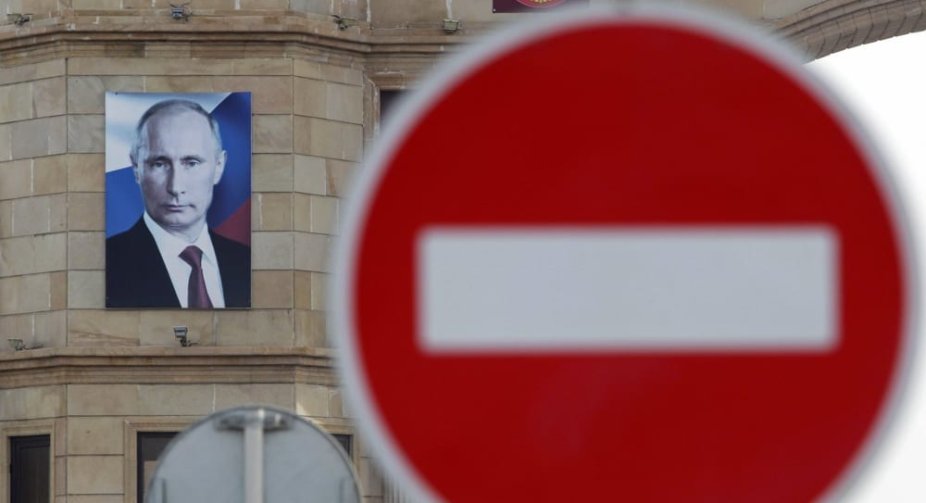
As is already known, the new sanctions will be in force for six months, until July 31, 2022. The EU sanctions were first imposed in July 2014 against Moscow due to its aggressive actions against Ukraine. These sanctions put the financial, energy and defense sectors of the Russian economy in difficulty. The reason is the Kremlin's aggression and violent policy against sovereign states.
It took the EU leaders about two hours to assess Vladimir Putin's current foreign policy. They talked privately on the subject and finally reached an agreed-upon decision. "The European Council stresses the urgent need for Russia to reduce the tension created by its troop build-up near its borders with Ukraine and its aggressive rhetoric," the statement said.
EU leaders also reaffirmed their full support for Ukraine's sovereignty and territorial integrity.
"The response to any further military aggression against Ukraine will be large-scale consequences and a severe price, including restrictive measures coordinated with partners," the new joint communiqué said. At the same time, the Council of Europe also leaves room for diplomatic efforts, including in the Normandy format.
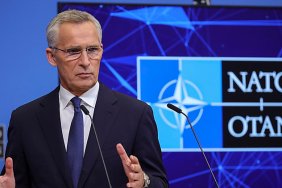
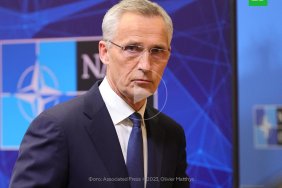
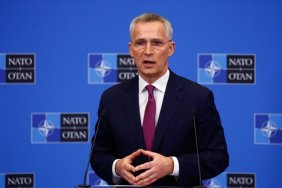
According to NATO, Russia is concentrating troops along Ukraine's borders. On 16 December, after talks with Volodymyr Zelenski in Brussels, NATO Secretary General Jens Stoltenberg said that Russia continued to build up its military contingent. He called Moscow's actions unjustified, provocative and destabilizing and urged the Kremlin to return to a diplomatic framework in order to reduce tensions. Stoltenberg emphasized that NATO was ready for dialogue with Russia, although Moscow would pay a high price for any aggression against Ukraine.
According to the North Atlantic Alliance, Russia has concentrated up to 100,000 servicemen in the areas bordering Ukraine. Experts fear a repeat of the events of 2014, when Russia annexed Crimea after overthrowing Ukrainian President Viktor Yanukovych and began supporting pro-Russian separatists in Donbas.
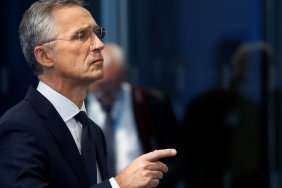
As NATO Secretary General Jens Stoltenberg said today, "We must and hope for the best, but we need to be prepared for the worst.
It will soon become known what Vladimir Putin hopes and prepares for when tough economic sanctions are once again imposed against Russia for its aggressive policies.