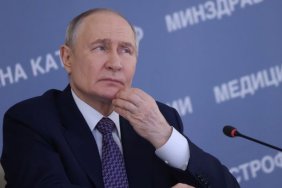



Russian dictator Vladimir Putin's recent comments about the financing of Wagner PMC were "direct evidence" that the mercenaries were an illegal part of the Russian army in the war against Ukraine.
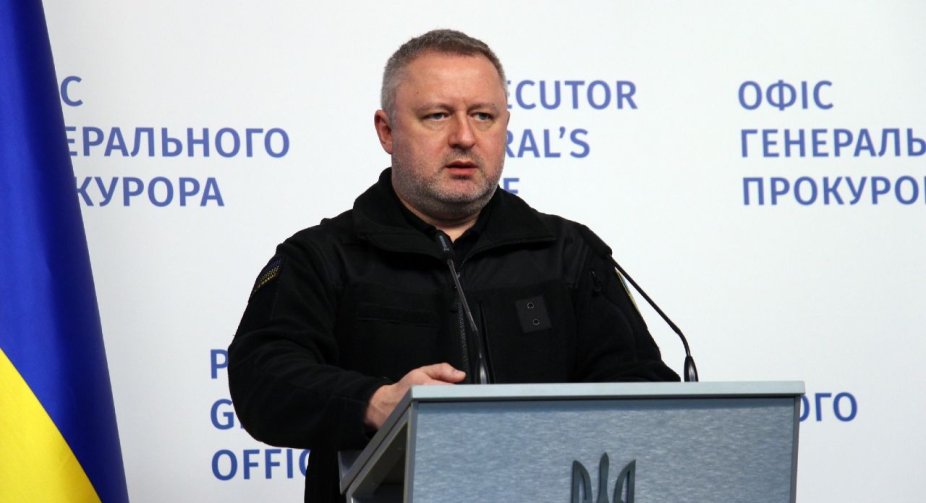
This was stated by the Prosecutor General of Ukraine Andriy Kostin in a Reuters comment.
Last week, Putin said that Wagner PMC and its founder Yevgeny Prigozhin received almost $2 billion from Russia last year.
As Russia tries to separate the forces of the Wagner PMC from its military, Putin's comments about the state budget's spending on mercenaries were "direct evidence that they are not only de facto, but probably illegally, also part of the Russian army." , Kostin believes.
At the same time, the use of mercenaries by states in armed conflicts is prohibited by the Geneva Conventions.
According to Kostin, among the more than 93,000 cases of potential war crimes investigated by the Prosecutor General's Office, there were many atrocities committed by Wagner's troops.
The Prosecutor General noted that their atrocities are "one of the most serious crimes against our civilians and our prisoners of war."
Kostin also added that "Wagner" PMC poses a threat not only to Ukraine, but also to peace and security in many countries, including Latin America, Africa and the Middle East.
Kostin appealed to allies, including the US and Britain, to designate the Wagner PEC as a terrorist organization so that it could be prosecuted and its assets frozen.
"Prygozhin is already involved in criminal proceedings in Ukraine, but the main thing is to stop the activities of such groups," he said.
PVC "Wagner"
Russia used mercenaries of PMK "Wagner" in the war against Ukraine. At the same time, the Kremlin denied any direct connection with the mercenaries.
Last week, however, Putin admitted for the first time that Wagner's PMC received state funding. In addition, Russian propagandist Dmytro Kiselyov recently stated that Wagner's forces received more than $9.8 billion in government contracts.
At the same time, on June 24, the leader of the "Wagner" PMK Yevgeny Prigozhin accused the Russian troops of having struck the rear camps of his mercenaries.
Then he and his mercenaries set out to storm Moscow. In a day, they took control of Rostov, and did not reach 200 km from Moscow.
However, the rebellion quickly ended after Prigozhin's negotiations with the self-proclaimed president of Belarus, Alexander Lukashenko. After that, it was decided to send Prigozhin and part of his soldiers to Belarus.