


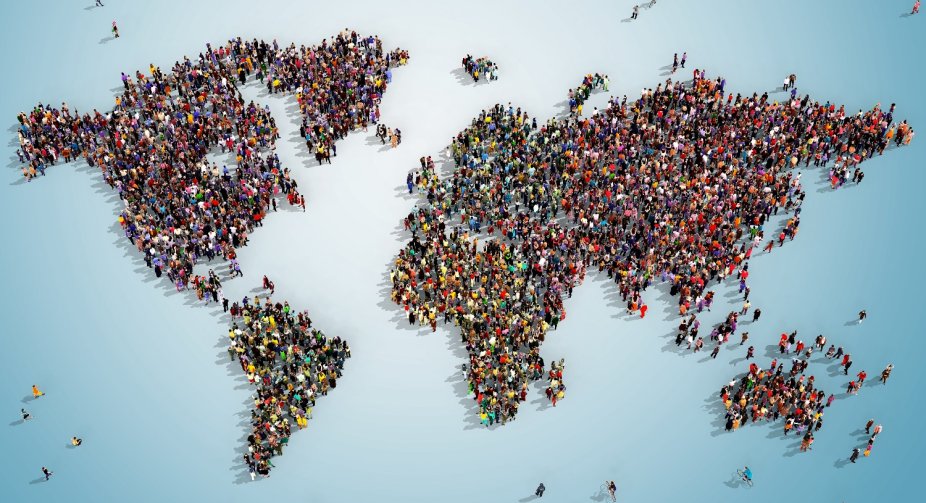

The population of the Earth has reached eight billion people. This was reported by the UN press service with reference to the calculations of the world organization.
The fact that humanity can approach this threshold was announced by the UN on World Population Day on July 11. Then the World Population Prospect 2022 report was published, according to which the population will exceed 8 billion on November 15.
The significant growth of the Earth's population is explained by the development of medicine, achievements in the field of sanitation, the expansion of access to drinking water, and the wide coverage of vaccination.
In 200 years, the population of the Earth has increased eightfold. If at the beginning of the 1900s there were only one and a half billion people on the planet, then at the beginning of the 2000s there were already 6 billion, and in 2011 - seven billion. Over the past 11 years, it has increased by another one billion people.
According to UN estimates, the world's population will reach 9 billion by 2037, and 10 billion by 2058. In the 2080s, the population may reach a peak of 10 billion 400 million people and remain at this level until 2100.
The main share of the population falls on China and India. According to the UN, about 36 percent of the world's population or almost 3 billion people live in these countries. According to forecasts, India will become the most populous country in the world, overtaking China already in 2023.
At the same time, the UN drew attention to the fact that the growth rate of the world population has recently been slowing down. In particular, the population of more than 60 countries is projected to decline by at least 1% by 2050 due to persistently low birth rates and, in some cases, high levels of emigration.